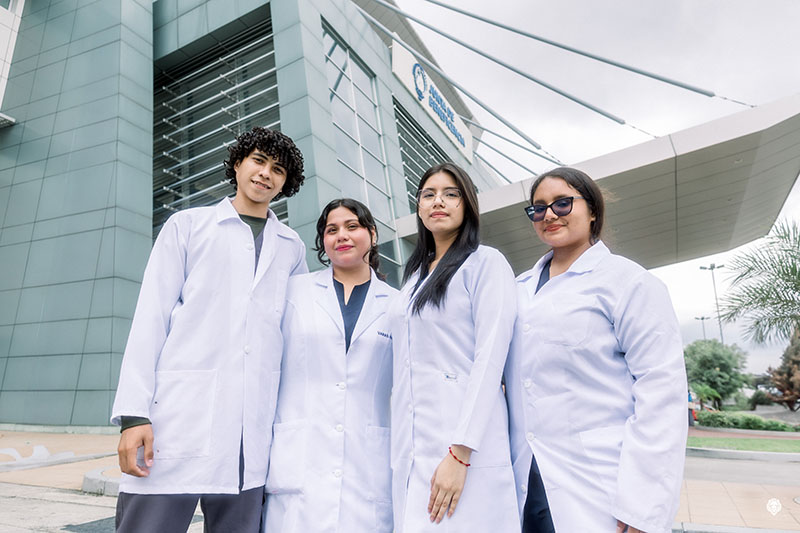
Educational Model

Discover an educational model that equips young people with the necessary skills to build a purposeful life project, aligned with their interests and in service of a more just and supportive society.

Educational proposal

Our educational proposal is centered on the integral development of learners, accompanying them in the construction of meaningful and lasting learning experiences that are useful in their personal, academic, and professional lives.

We seek to form free, responsible, and supportive young people, capable of transforming their environment based on three fundamental pillars

3 Pillars

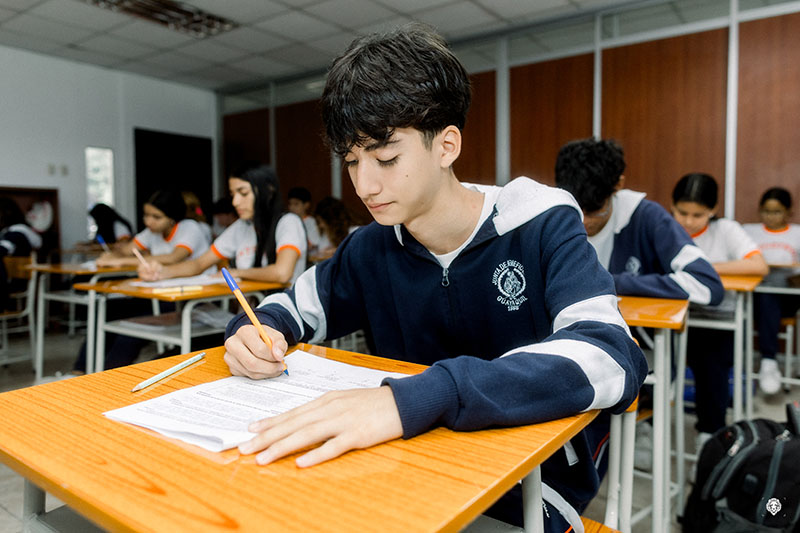
High learning achievements

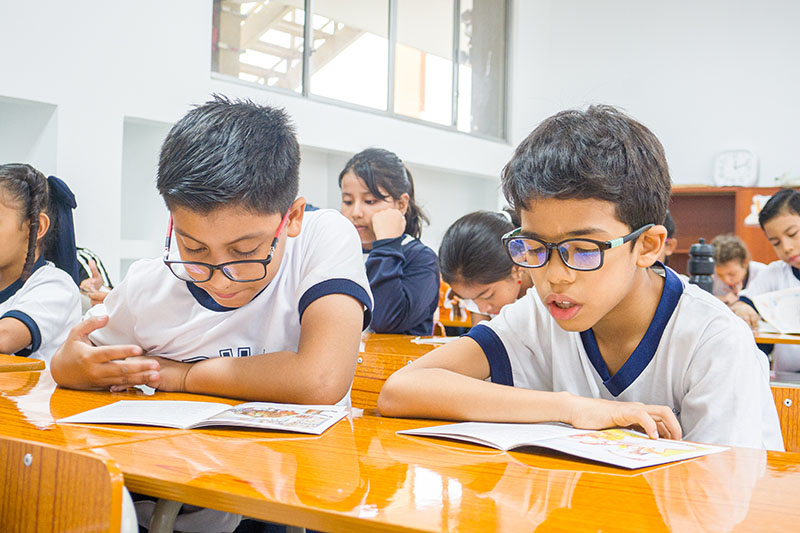
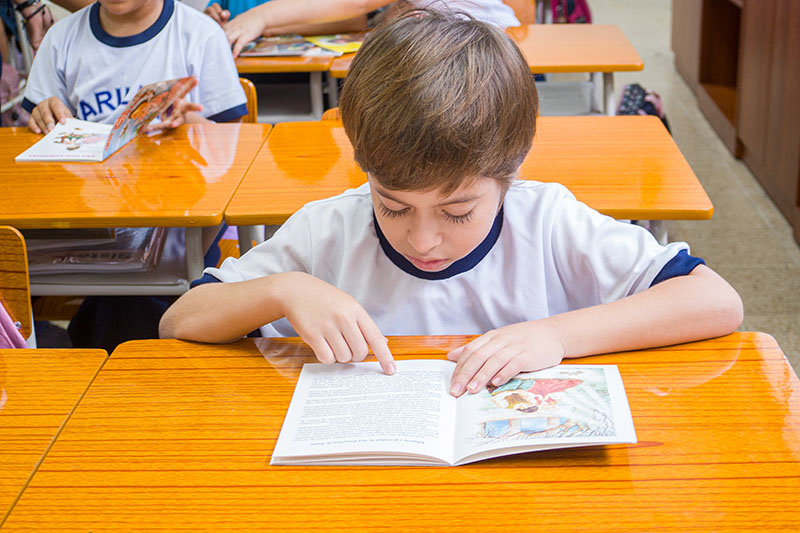
Authentic curriculum learning, Promotion of reading and critical thinking, English as a second language, Uses of ICTs for learning, Extended training times and spaces.

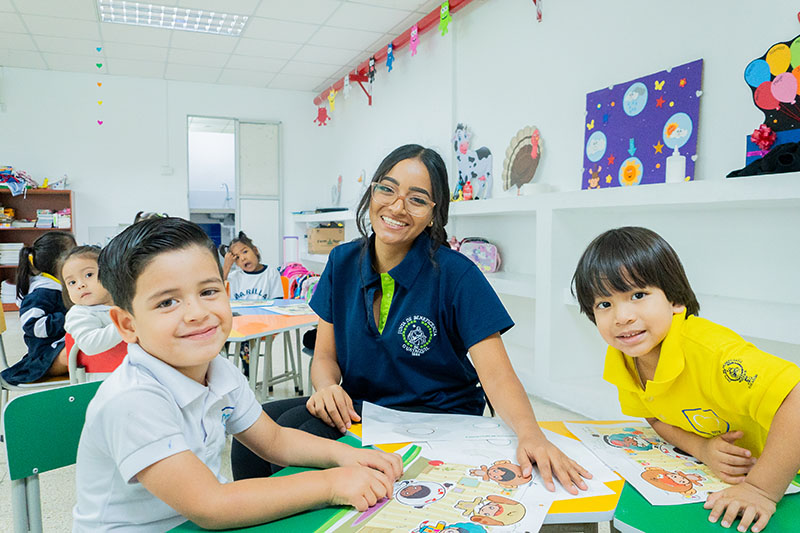
Human formation and tutoring

Life project, Personalized tutoring, School participation, Approach from Christian Humanism, Values and socio-affective education, Care of the common home (socio-environmental commitment).

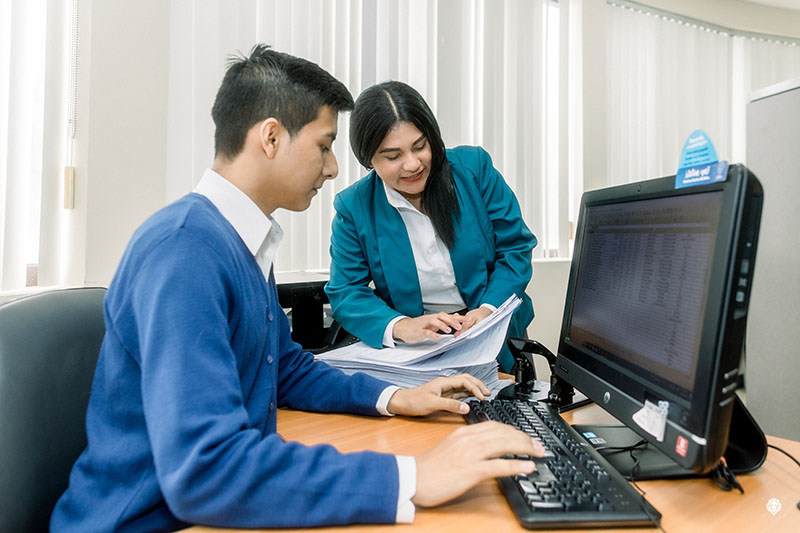
Professional training and employability

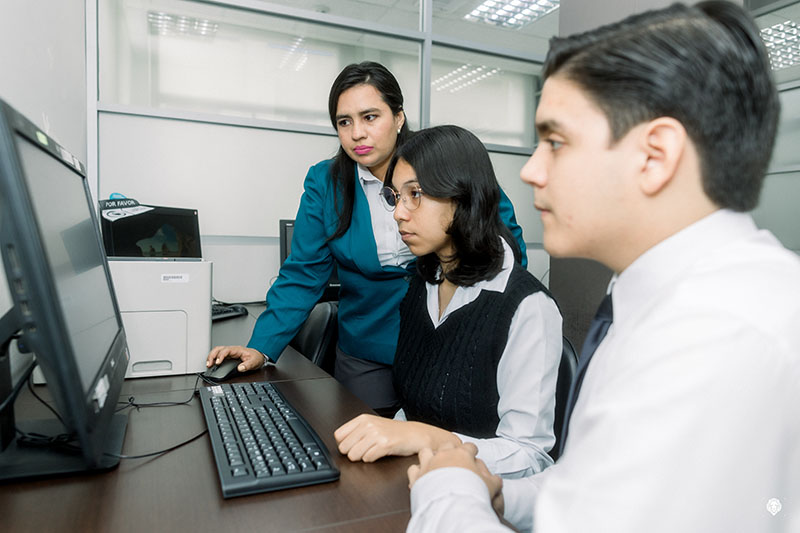
Exploration and vocational guidance, Development of transversal skills for life and work, German dual training system.

Educational hallmarks

Our model requires time and dedication: to form with constant accompaniment and to train those who form.

Extended school day (07h45 – 15h45)

More hours in school allow

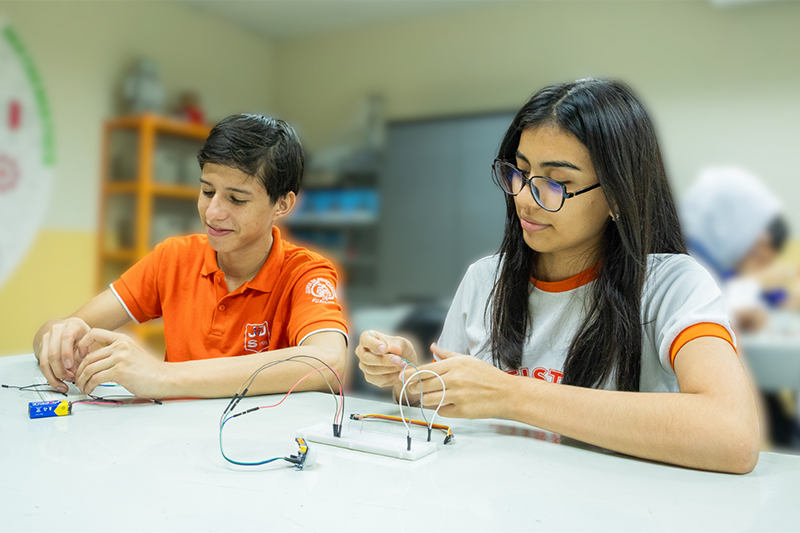
Extend the time of key subjects such as English and robotics. Develop artistic and sports skills. Reinforcement of literacy and logical-mathematical skills in extracurricular activities.

Teachers in continuous formation

Our teachers are the heart of the model

We plan three pedagogical technical days a year that address: Inclusion and attention to special educational needs (SEN) Active methodologies and pedagogical design. Educational management and leadership.

Shared resources

More than 200 teachers in the Network

We promote communities of practice to exchange planning and management tools. In addition, we have an editorial alliance with Santillana for access to textbooks, planning and quality digital resources.

Evaluation culture

Periodic evaluations

To adjust and perfect our educational model, ensuring continuous improvements

Pedagogical infrastructure

Safe infrastructure

Our facilities are designed and equipped to promote dynamic, safe and effective learning at all levels.

Pedagogical Proposal

How do we learn? 8 principles that guide our teaching

1

We learn when we want to know
Interest and personal motivation are the main engine of learning. When something matters to us or makes sense to us, we strive to learn it.

2

We learn by applying what we know in real life

We understand better when we use knowledge to solve concrete problems or create something in real situations.

3

We learn from what we already know

All new learning connects with our previous experiences, ideas and knowledge. That allows us to understand and build something new.

4

We learn together with others and with challenges

Learning occurs in community: by talking, collaborating, sharing ideas and overcoming challenges together. We need activities that challenge us, but that we can also achieve with support.

5

We learn when we organize information

Understanding is not just memorizing. It is connecting ideas and giving them meaning in a mental structure that we can use later.

6

We learn by reflecting on our process

Reviewing how we learn helps us improve. Thinking about what we did well or what we need to reinforce allows us to move forward with more autonomy.

7

We learn better when we feel good

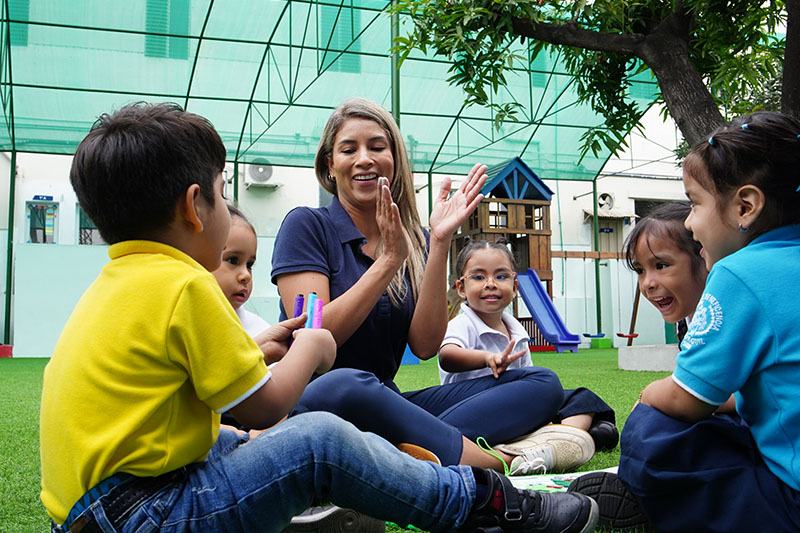
Emotion has a big influence. We learn more when we feel safe, motivated, accompanied and in an environment of respect.

8

We learn in short but effective times

Attention has limits. Therefore, we use varied methods, dynamic activities, active breaks and games that help maintain interest.

Graduation profile

They use what they learn to face real life and the world of work

  • They understand what they read, know how to express themselves well when speaking and writing
  • They analyze history, economics and society with a critical sense

They think critically and creatively They investigate, reflect and make well-founded decisions.
They seek the common good They are committed to their community and the country, contributing to a just and supportive society.
They take care of the planet They understand the importance of sustainability and respect diversity.
What is a young person who graduates from the Educational Network like?
We want to form free, responsible and supportive young people, with integral development. Therefore, at the end of their training, our learners
They have a life project They know how to plan, set goals and have tools to achieve them.
They are ready to work They have skills to enter the world of work, work in teams and continue learning.
They build healthy relationships They respect themselves and others, and value their own effort.

Prioritized methodologies: Learning by doing

In the Educational Network, active methodologies centered on “Learning by doing” are applied, promoting practical, reflective, and meaningful learning. Among them are:

Apprentices develop projects to solve real challenges, applying curriculum knowledge and creating useful and shareable final products.

Real or fictitious situations are analyzed to encourage reflection, critical thinking, and decision-making, prioritizing understanding and argumentation rather than the creation of a product.

What are we looking for with these methodologies?

That apprentices learn actively, connect knowledge with their real life, and develop practical and professional skills.